

Another Pandemic
Infectious happiness.

There is a new pandemic. I know we just finished yet another bout of the winter flu, and I hate to be the bearer of bad news, but it’s time to face reality.
Excessive, obnoxious happiness is the Earth’s new plague, and it’s coming for you. It is everywhere, all over the internet, in restaurants, advertisements, robocalls, and email headlines!
Jokes aside, I do think that our society is being infected by excessive happiness.
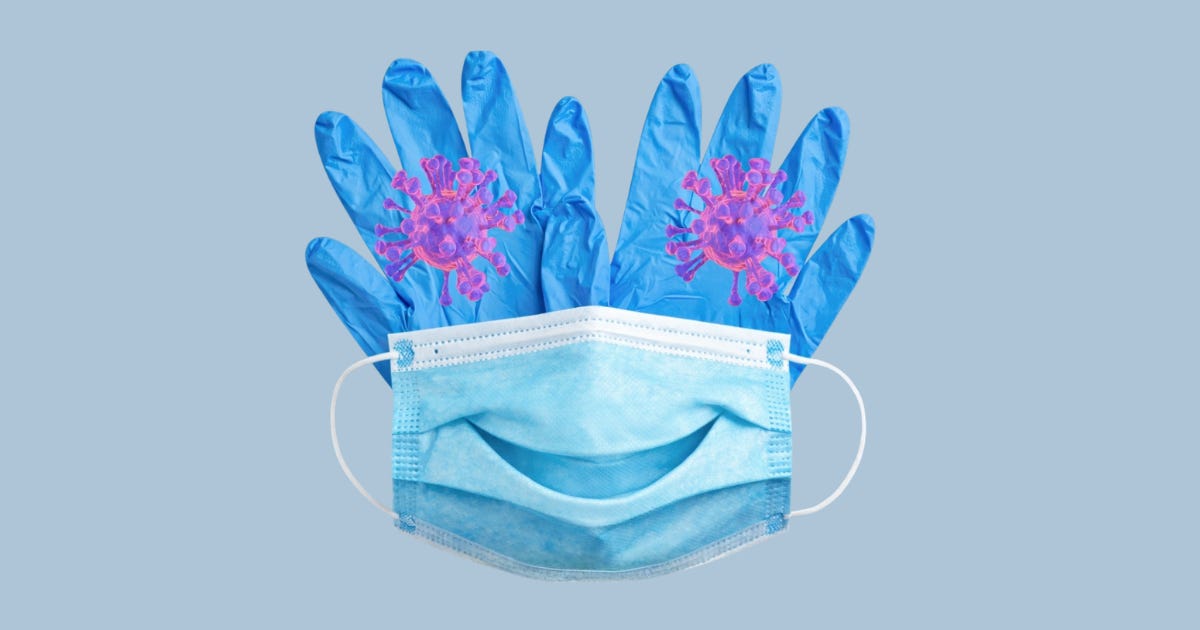
What is excessive happiness? Well, I would define it as people being overly happy for seemingly no reason. And I see it everywhere. It feels like every influencer always has a smile on their face, all my email promotions are accompanied by smiley face emojis, and even the robocalls now have cheery voices asking me how my day is.
But it’s annoying. It feels like joy is being shoved down my throat, instead of something I can experience/manifest myself. I’d also say that there’s an aspect of jealousy involved when it comes to my dislike of this content. All over social media, I see people posting their lives, always smiling and having fun. And I don’t know about you, but that often isn’t how my life feels. (Who’s surprised, another problem with social media!)
But happiness is good, right? Yes, obviously it is. I want everyone to be happy. But if we live in a state of constant happiness, or a world of toxic joy, several problems and questions emerge for me.
First, something I think we have spoken about before is the need for balance, and how life doesn’t feel full without all the emotions. If we are all happy all the time, everything feels fake. I do not know if you’ve seen the Barbie movie, but in it, Barbie becomes depressed because everything in her life is so perfect all the time.

Another problem that comes to mind is the source of the over-the-top happiness. I feel that most of the time, it is fake and made to get likes. Or is it coming from another feeling, like anger or loneliness? Is the person so sad or upset that they have to post positive content online in the belief that they feel better, seeing a doctored-up version of their life? Or is it out of competition and envy, where they feel they should post an edited/fake version of their life to bring others down?
We live in a world where it’s easier to be happy than ever before. Everything has become optimized and convenient, allowing for easier access to food, more chances to spend time with loved ones, and cheap possessions that keep us satisfied. We have unlimited knowledge online. But it’s also so easy to be sad. Bad news is everywhere, and with unlimited knowledge, it’s also easy to find depressing content. And that’s a problem.
But the solution to that problem isn’t an avalanche of happy TikToks. A few years ago, a trend called Hopecore went viral. Hopecore is an internet genre/trend featuring content designed to be uplifting and inspiring. It features motivational and heartwarming videos, often clips of celebrities.

You may have guessed, but I don’t like Hopecore. It’s fake. But it’s honest. It was kind of a silly trend because people were so sad. They made the content in hopes that it would inspire them. And it did. This worked, in my opinion, because it was honest, unlike a lot of content today, which is just straight sunshine and rainbows. If we are honest with ourselves about how we want to be happier, instead of just force-feeding smiles, we can cure this disease.
The over-the-top happiness is a mask for a more prominent pandemic of sadness. Honest desires to be more joyful are a cure.
-Isaiah
I really enjoyed this piece. It speaks to toxic positivity and negative denial, neither of which promote authenticity! For me, toxic positivity causes shame because it makes the argument that we should be so ,so grateful, all the time ,regardless of the situation. For example, “Your leg is broken?-well, at least it’ll heal. Think of all the people who are amputees!” Being grateful that my leg will heal will not dissipate the discomfort of the break, the restrictions incurred, or a myriad of other things that would cause the patient to feel down, Two things can be true at the same time - you can be sad that your leg is broken and grateful that that’s all that’s wrong. Denying either emotion is not healthy.
Negative denial is totally ignoring problems because you’re a “good vibes only” type of person! Again, another inauthentic state and impossible to live in. We just need to be honest with ourselves about how we are feeling and stand firm in that knowledge- when you think about it, for the most part, you are rarely wrong about how you are feeling. Would you agree? So, just accept it and don’t ignore or deny.
Whoa, this is quite the contrarian take. Which is good. Always good to keep you readers on their toes, so they don't quite know what to expect from you. (That helps "open rates," as the say.)